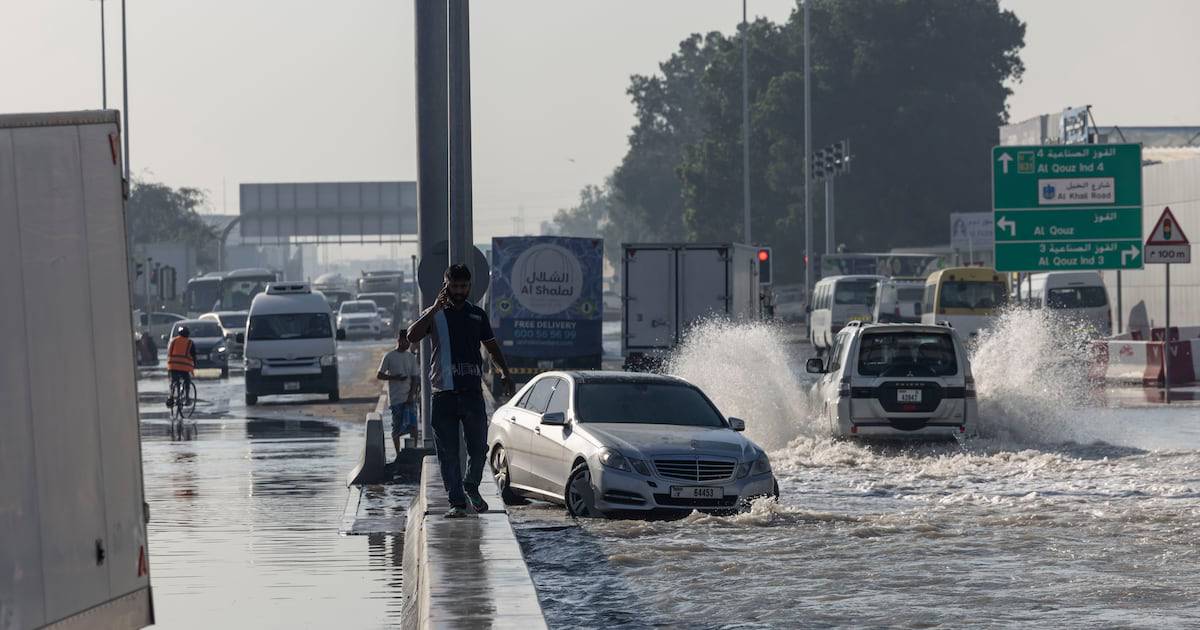
Dubai Municipality has unveiled details of the Tasreef project, a Dh30 billion rainwater drainage programme designed to increase the emirate's surface water drainage capacity by 700 per cent. The initiative follows the unprecedented flooding of April 2024 and is scheduled for completion by 2033.
Marwan bin Ghalita, Director General of Dubai Municipality, said the city did not simply pause to assess the damage after the floods but took a swift, bold decision to launch a programme built to serve Dubai for the next century, rather than merely addressing the immediate problem. the new drainage network will handle more than 20 million cubic metres of water daily, and Dubai will ultimately operate more than 6,500 kilometres of drainage networks alongside over 5,000 kilometres of sewage networks.
The project forms part of a broader municipal push to make the city more resilient to climate change, which also includes plans to plant 3.5 million trees by 2040 and expand green and cultivated areas to 187 square kilometres. The programme draws on artificial intelligence, 3D printing, robotic construction and digital twin technology during implementation.
Dubai Municipality also noted that, as part of its wider quality-control efforts, it inspects more than 577,000 food consignments annually, representing some 2.7 billion products. Together, these initiatives reflect Dubai's strategy of positioning itself as a city built to withstand future climate-related shocks, with the Tasreef programme standing as its most direct response to the lessons of the 2024 floods.