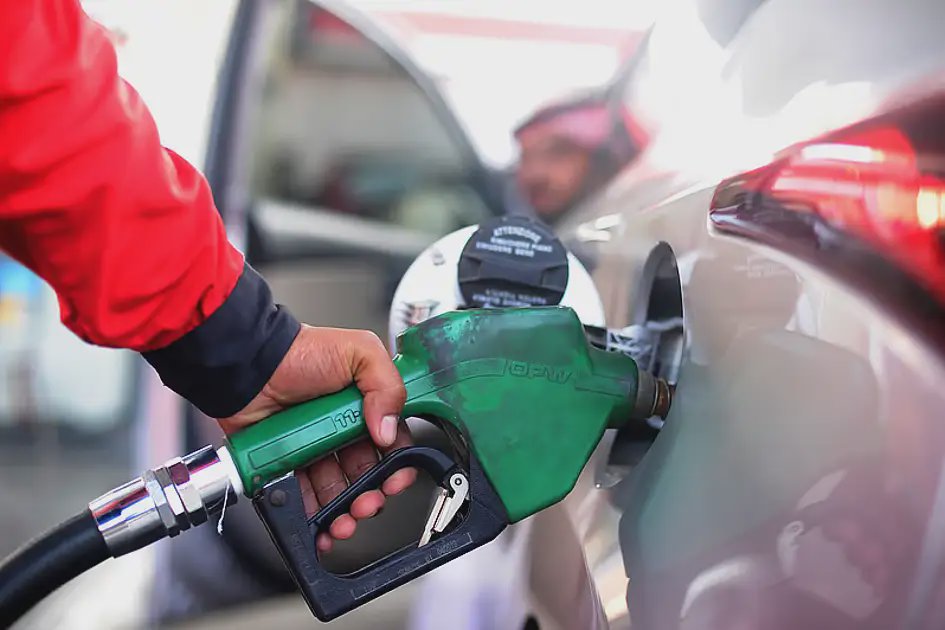
Petrol prices in the UAE rose by more than 16 per cent this October, a jump sharp enough that commuters across Dubai, Sharjah and Ajman say they are rethinking how they get to work. The increase, reported by Khaleej Times, has pushed some residents toward the Dubai Metro and prompted others to ask employers for extra remote-working days.
Alwin Pinto, who lives in Al Qusais, said the metro station near his home is just a ten-minute walk from his office, making the switch an easy call once fuel costs climbed. Shabbir Ahmed, who lives at Horizon Towers in Ajman, said he used to fill his tank roughly every four days — about eight times a month — and the new prices have added a noticeable dent to his monthly budget. Hameed S, based in Al Nahda, Sharjah, said his job requires visiting different client offices, so he now tries to group visits near metro stations into a single day to cut down on fuel use.
The responses point to how closely driving habits in the UAE track fuel prices, with public transport, and the Dubai Metro in particular, taking on a bigger role whenever costs spike. Some residents say their employers have also seen a rise in requests for remote-working days immediately after price increases are announced.
Transport analysts note that as metro lines expand and more stations open near residential areas, reliance on private cars should ease over the long run. In the short term, though, the latest fuel price rise is putting direct pressure on UAE household budgets, particularly for those who commute daily by car across emirates.