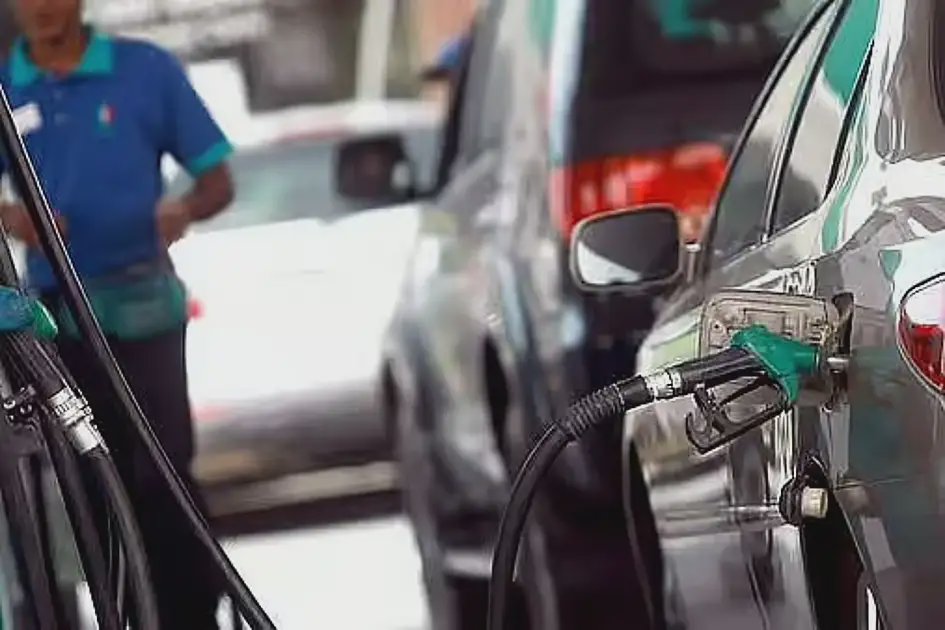
Fuel prices across the UAE rose by more than 16 per cent from October 1, 2026, one of the sharpest monthly increases recorded this year, according to Khaleej Times. The UAE has followed a deregulated fuel pricing policy since 2015, with petrol and diesel prices adjusted monthly in line with global oil markets.
The jump is already reshaping daily routines for residents across Dubai and the wider Emirates. Alwin Pinto, a Dubai resident, said the metro station near his home is only a ten-minute walk from his office, prompting him to switch to the Dubai Metro for his daily commute instead of driving. "The weather is good, so I would rather use the Metro," he said. Another resident, Shabbir Ahmed, said the higher running costs mean he now has to budget more carefully, and that he plans to discuss working from home for part of the week with his employer. A third resident, Hameed S, said he intends to group client visits near metro stations onto the same day to cut down on driving.
The responses point to a broader trend: as fuel costs climb, Dubai's extensive metro network and its comparatively lower cost are becoming a more attractive option for commuters who previously relied on their cars. Transport authorities have not yet commented officially on whether the price rise is expected to push up public transport ridership figures, though anecdotal evidence from residents suggests more commuters may shift away from private vehicles in the coming weeks.