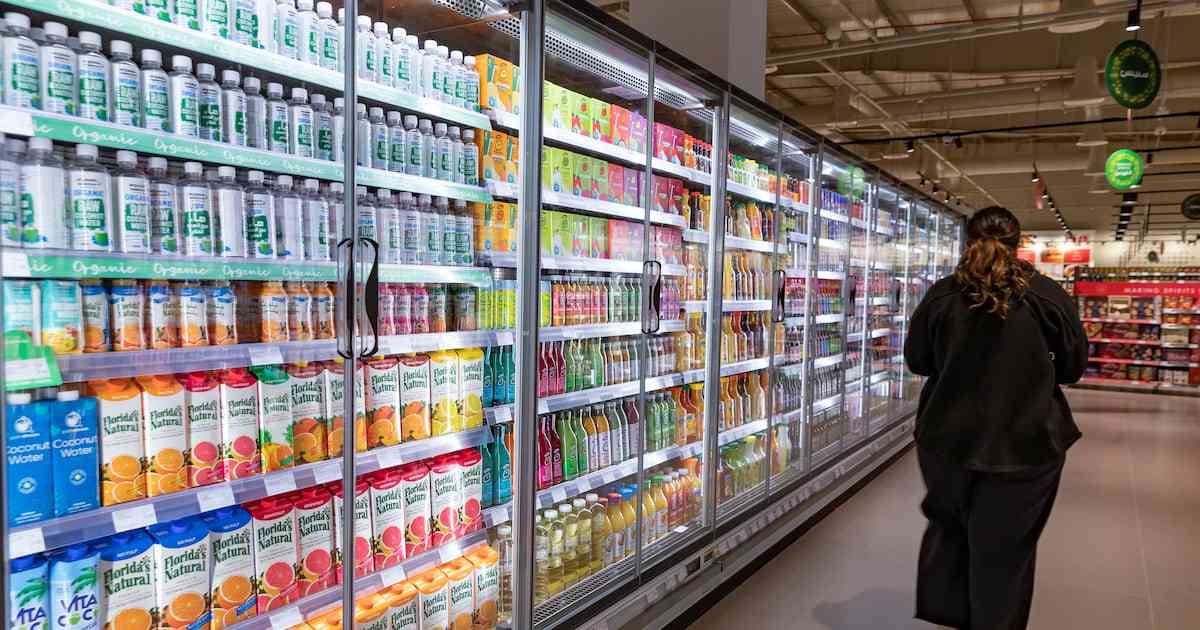
The UAE government approved new regulations on Tuesday capping the amount of sodium, sugar and fat allowed in packaged food, in the latest step of the country's long-running drive to improve public health. The rules cover both locally made and imported products, including goods sold through free zones.
Companies that fail to comply could face fines of up to Dh500,000 (about $136,000), closures of up to six months, or cancellation of their trade licence, according to the announcement. The limits will be phased in gradually, with full implementation required by the end of 2030, giving manufacturers time to reformulate products rather than pull them from shelves overnight.
The move builds on a string of health-focused measures the UAE has introduced since 2017, starting with a 100 per cent excise tax on tobacco and energy drinks and a 50 per cent tax on fizzy drinks, later expanded to e-cigarettes and sweetened beverages. More recently, authorities introduced a graduated sugar tax that scales with the sugar content per 100ml of a drink. From January 1, 2027, separate rules will also restrict prominent in-store placement of unhealthy foods in supermarkets larger than 4,000 square feet.
Schools already operate under a "red list" banning high-fat, high-sugar items on campus, hotels are required to offer at least one healthy option in every menu category, and Abu Dhabi has banned fast-food advertising. A health official involved in the push said the goal was to make healthy living "the easy choice" for every citizen and resident, rather than relying on individual willpower alone.
Taken together, the measures point to a sustained, multi-layered UAE strategy against diet-related non-communicable disease, rather than a single standalone regulation — with the packaged food limits representing the next major enforcement front after years of taxation and advertising restrictions.