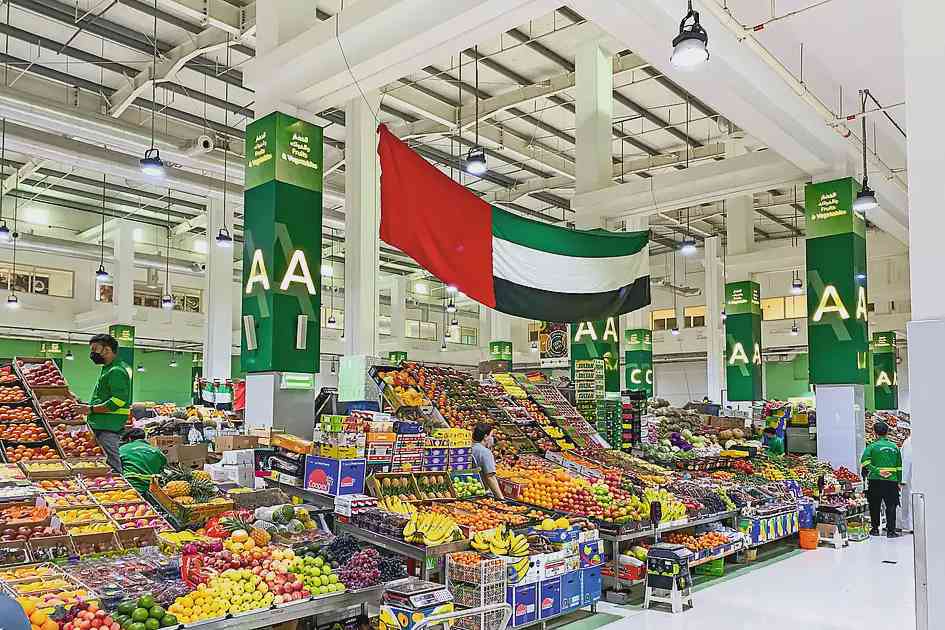
Sheikh Hamdan bin Mohammed bin Rashid Al Maktoum, Crown Prince of Dubai, Deputy Prime Minister and Minister of Defence, has launched Dubai's new Food Security Strategy 2030. Drawn up by the Dubai Environment and Climate Change Authority (DECCA), the strategy sets out to position the emirate as a global leader in sustainable food security, backed by advanced technology and resilient supply chains.
DECCA Director General Ahmed Mohammed bin Thani said the strategy rests on five pillars. The first is food availability, achieved by expanding local agricultural output through fisheries, livestock development and farmer cooperatives. The second covers affordability, quality and safety, focusing on strengthening supply chains and diversifying import sources so the emirate can better absorb market shocks.
The third pillar is sustainability, aimed at cutting food waste and encouraging healthier consumption habits among residents. The fourth, resilience, looks to improve governance frameworks and attract fresh investment into agricultural technology. The fifth and final pillar, industry empowerment, targets infrastructure development and international research partnerships to support the sector's long-term growth.
The emirate-level plan sits under the broader UAE National Food Security Strategy 2051 and marks another step toward reducing Dubai's reliance on food imports while boosting domestic production capacity. Officials noted that delivering on the strategy will require close coordination between the public and private sectors, along with sustained investment in agri-tech ventures over the coming years.