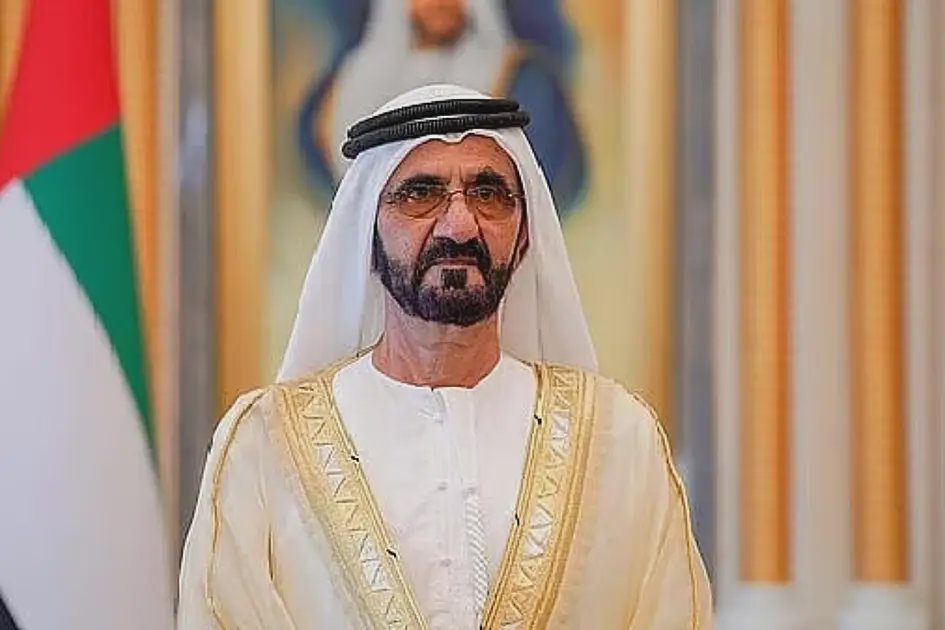
The UAE's Vice President and Ruler of Dubai, Sheikh Mohammed bin Rashid Al Maktoum, has approved a three-year federal budget worth Dh292.5 billion covering 2027 to 2029, marking an 8.3 per cent increase over the previous three-year cycle. The 2027 budget alone stands at Dh90.1 billion, with social development and pensions taking the largest share at 38.4 per cent (Dh34.6 billion), followed by government affairs at 32.3 per cent (Dh29.1 billion) and federal expenses at 19.7 per cent (Dh17.8 billion). Financial assets and investments account for 6.2 per cent (Dh5.6 billion), while infrastructure and economic resources receive 3.4 per cent (Dh3 billion).
Announcing the budget, Sheikh Mohammed said government priorities remain unchanged: education, health, housing, social services, quality of life and the stability of citizens. The steady weighting toward social spending continues a pattern seen in recent federal budgets, where social development and pensions have consistently drawn the largest allocation.
The approval comes as the UAE continues positioning itself as a resilient, diversified economy less dependent on oil revenue. Economists tracking Gulf government spending note the 8.3 per cent uplift signals confidence in non-oil revenue streams even as the federal government maintains heavy investment in citizen welfare programmes. The three-year budgeting cycle is designed to give ministries multi-year planning certainty rather than relying on annual appropriations.
With the new cycle beginning in 2027, federal entities will now finalise sector-specific allocations under the broad categories approved this week, a process that typically plays out over the coming months.